Section 1: Understanding the purpose of 360 feedback
Lesson one: introduction to 360 feedback
Part of How to debrief 360 results and drive meaningful change, a six-section guide. Back to the overview
What is 360 feedback?
While we all have some degree of insight about our own capabilities, sometimes it is hard to be objective. We may also not know how effective our behaviors and skills are when we interact with others. The 360 survey process is one way of giving people balanced feedback about their capabilities, making it easier to identify key strengths and development needs.
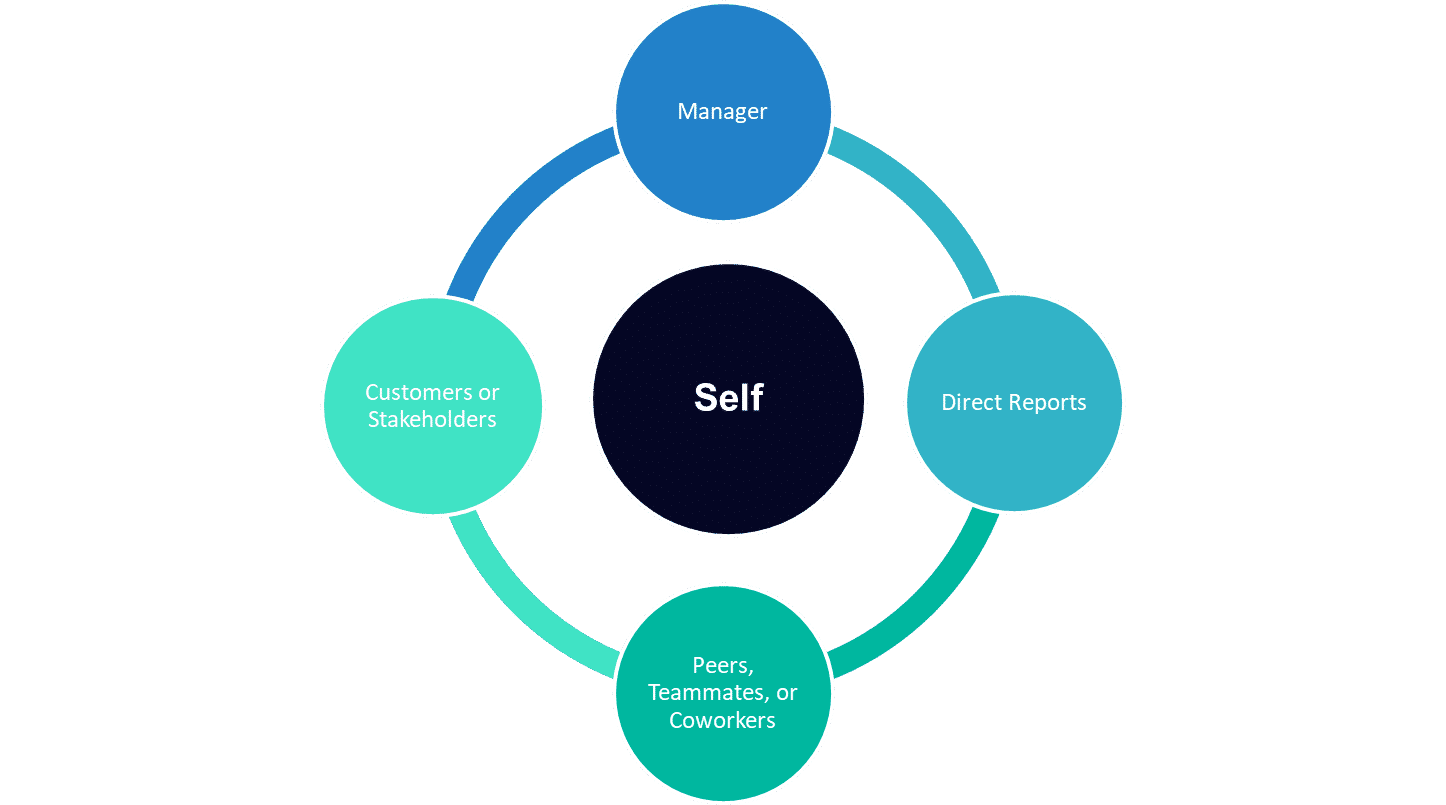
Ratings are collected from multiple perspectives: self, manager, peers, direct reports, and other stakeholders who have observed the participant. Results are then analyzed and reported back in a way that profiles an individual's perceived performance across several capabilities, and identifies which capabilities are important to focus on in terms of strengths and growth opportunities.
What is being assessed?
360 surveys are typically based on competency models that reflect the capabilities most important for success in an organization. Competencies are related groups of knowledge, skills, and behaviors that produce performance excellence within a particular environment, culture, and business context. These criteria are not meant to be comprehensive. They focus on the aspects that are most critical to success.
Competencies describe the things excellent performers do more often, more consistently, and more effectively than average performers. The model consists of behavioral descriptors, which define the competencies. The resulting 360 survey gives participants feedback to help plan their development and, depending on the purpose, insight into their current performance and future potential.
KEY UNDERSTANDING
Why continuous growth and development matters for participants
The effectiveness of each participant affects your success, if you are their manager, and the success of the organization. Reaching company goals depends largely on the knowledge, skills, and abilities of the people in it. That means hiring highly qualified people and then giving them opportunities to grow.
The explosion of information and technology, along with increasing competitive pressure, makes yesterday's skills inadequate for tomorrow's success. Learning has to be continuous, and 360 feedback is one way to support that. Your role as a manager or coach is to start and sustain momentum around performance improvement by helping people understand their 360 results and build a plan for improvement.
The benefits to you, the leader
There are many benefits for participants going through this process, and several for you as well. Realizing them depends on your own initiative. Some key benefits to leaders:
- Gives you a better understanding of your team's strengths and development needs.
- Makes it easier to have an open discussion about capabilities and development opportunities.
- Provides rich information for performance conversations, which tends to increase acceptance of the feedback. Most leaders never have this much quantitative and qualitative information about their people.
- Creates a forum for discussing specific actions to consider in development plans, especially for at-risk employees.
- Gives you a way to demonstrate your personal support for each participant's professional development within your team and the organization.
Next: Section 2 covers the best strategies for interpreting 360 feedback results.
Was this article helpful?
That’s Great!
Thank you for your feedback
Sorry! We couldn't be helpful
Thank you for your feedback
Feedback sent
We appreciate your effort and will try to fix the article